

Stroke Recovery BC | Volunteer Positions
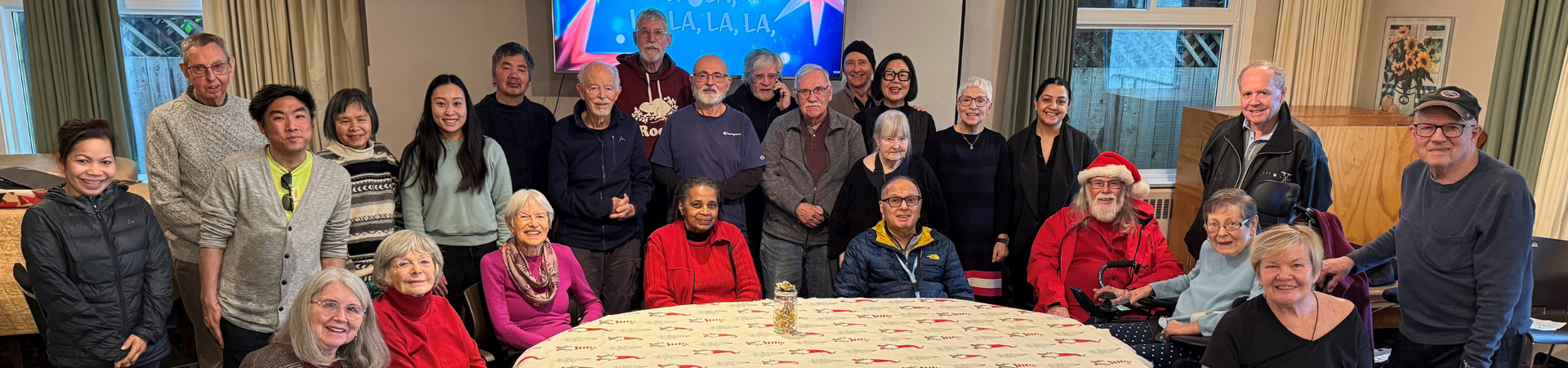
Stroke Recovery BC is always seeking volunteers for various positions. Please click on the tabs below for specific information on the different available positions:
Impact of the Role
The Communication Facilitator provides participants with aphasia an opportunity to engage in conversation through employing supportive communication strategies in a virtual setting.
Tasks and Responsibilities:
- ▮ Participate in the Aphasia Peer Connect virtual group on a weekly basis
- ▮ Co-host small group discussions
- ▮ Using a variety of supportive communication strategies for people with aphasia in a virtual setting, independently facilitate and encourage enjoyable social conversations between participants in break-out sessions
- ▮ Enable participants to take part in social conversations by being observant of those needing more communication support
- ▮ Participate in pre-session meetings as well as de-brief meetings
- ▮ Prepare and share resources for the group, as directed by staff
- ▮ Be aware of the boundaries of your role and use supervision to clarify when uncertainties arise
Time Commitment:
- ▮ 1.5 hours per week, commitment of 1 year requested
Accountability:
- ▮ Reports to the Program Instructor
Location:
- ▮ Virtual via Zoom
Qualifications:
- ▮ 18 years of age or older
- ▮ Pursuing Speech Language Pathology or healthcare related education
- ▮ Strong interpersonal and communication skills
- ▮ Comfortable using the features of a virtual meeting platform or willing to learn
- ▮ Access to a device with webcam and microphone, and a stable internet connection
- ▮ Ability to take and give verbal and/or written direction and follow through to complete assigned tasks
- ▮ Ability to take initiative
- ▮ Reliable, understanding, collaborative and respectful
- ▮ Team-oriented, personable
- ▮ Prior volunteer experience with individuals with aphasia or related acquired communication disorders an asset
Other Requirements:
- ▮ Vulnerable Sector Screening
- ▮ 2 Personal/Professional References
Benefits of the Position:
- ▮ Develop/enhance leadership, communication and group facilitation skills
- ▮ Broaden professional and social networks
- ▮ Program specific training and development to ensure your success
- ▮ Develop greater knowledge of stroke recovery and aphasia
- ▮ Dedicated support from staff and fellow volunteers
- ▮ Gain hands-on work experience to further or strengthen your professional goals
- ▮ Positively impact the lives of individuals who have been impacted by stroke
Sound interesting to you?
Impact of the Role
The Program Assistant will have a direct role in supporting those with communication disabilities to actively engage in program activities. The Program Assistant supports the Program Instructor/Lead in the delivery of the program through facilitating group discussions and activities.
Tasks and Responsibilities:
- ▮ Attend, co-lead and actively participate in weekly/bi-weekly programs in person or virtually
- ▮ Collaborate with Program Instructor in the preparation and planning of fun and engaging activities for the group to participate in
- ▮ Provide participants with community resources to enhance engagement
- ▮ Utilize a variety of supportive communication strategies that support participants with communication challenges to participate fully in program activities
- ▮ Contribute ideas towards the improvement of the program for participants
- ▮ Set up the room furniture, equipment etc. as required by the Program Instructor for in-person groups
Time Commitment:
- ▮ 2 hours per week, commitment of 1 year requested
Accountability:
- ▮ Reports to the Program Instructor
Location:
- ▮ In-person in community or virtual via Zoom
Qualifications:
- ▮ 18 years of age or older
- ▮ Education and/or experience in social services or related field an asset
- ▮ Knowledge of/experience with individuals affected by stroke and communication disabilities an asset
- ▮ Ability to give and follow directions
- ▮ Strong interpersonal and communication skills
- ▮ Reliable, understanding, collaborative and respectful
- ▮ Team-oriented, personable
Other Requirements:
- ▮ Vulnerable Sector Screening
- ▮ 2 Personal/Professional References
Benefits of the Position:
- ▮ Develop/enhance leadership, communication and group facilitation skills
- ▮ Broaden professional and social networks
- ▮ Program specific training and development to ensure your success
- ▮ Develop greater knowledge of stroke recovery and aphasia
- ▮ Dedicated support from staff and fellow volunteers
- ▮ Gain hands-on work experience to further or strengthen your professional goals
- ▮ Positively impact the lives of individuals who have been impacted by stroke
Sound interesting to you?
Committee Member
The Board of Directors Committees work with the Executive Director on achieving specific goals in the following areas:
- ▮ Finance Committee
- ▮ Professional Advisory Committee
- ▮ After Stroke Advisory Committee
- ▮ Fundraising Committee
- ▮ Governance & Risk Committee
- ▮ Nominations Committee
- ▮ Aphasia Subcommittee
Committees are made up of board members and other volunteers with expertise in that particular area.
Sound interesting to you?
Board Of Directors
Specific Skills:
Human Resources; Community Development; Accounting; Organizational Planning; Social Service; Health Professional; Finance; Fundraising
- ▮ Board meetings occur 10 times a year
- ▮ Board members must have the ability to communicate effectively, verbally and in writing, using computer and telephone (including the use of accommodations e.g. aids and personal assistance).
Description & Link to Mission:
Stroke Recovery Association of BC (SRABC) offers a range of programs designed to support stroke survivors in the community after they leave hospital. The main task of the board is to direct the implementation of SRABC’s Strategic Plan for fulfilling our Mission:
Stroke Recovery Association of BC provides services, education and advocacy to those affected by stroke throughout every stage of recovery.
Qualifications & Experience:
- ▮ Knowledge and skill in implementing a strategic plan is preferred
- ▮ Experience in non-profit board work is an advantage
- ▮ Empathic skill
- ▮ Optimistic upbeat attitude
- ▮ Team orientation
- ▮ Conscientiousness
- ▮ Committed to the work of the organization
- ▮ Contribute specific expertise in a desired area such as rehabilitation, finance, law, human resources, information technology, advocacy, or fund development
- ▮ Ability to focus on external and future issues
- ▮ Ability to question, probe and analyze at a high level
- ▮ Attendance at monthly board meetings
- ▮ Support of programs and projects
- ▮ Promote the organization in the community
Benefits & Recognition
- ▮ Board training
- ▮ Orientation to Stroke Recovery
- ▮ Being a member of a dynamic new team
- ▮ Making a difference in the lives of stroke survivors and their caregivers in BC’s communities
Deliverables | Duties
Support:
- ▮ Raising money
- ▮ Advocacy
- ▮ Acting as ambassadors to the community
Governance:
- ▮ Protection of the public interest
- ▮ Keeping SRABC on mission and on message
- ▮ Writing policies
- ▮ Keeping the bylaws up to date
- ▮ Evaluation of the performance of the Executive Director
- ▮ Reviewing and authorising plans and commitments
- ▮ Ensuring compliance with legal and contract requirements
- ▮ Evaluating SRABC’s work
Time Commitment:
Approx. 10 hours per month